Column · @manuelxjxa628
Milia What Are They? And How Do You Get Rid Of Them?
·Filed by @manuelxjxa628
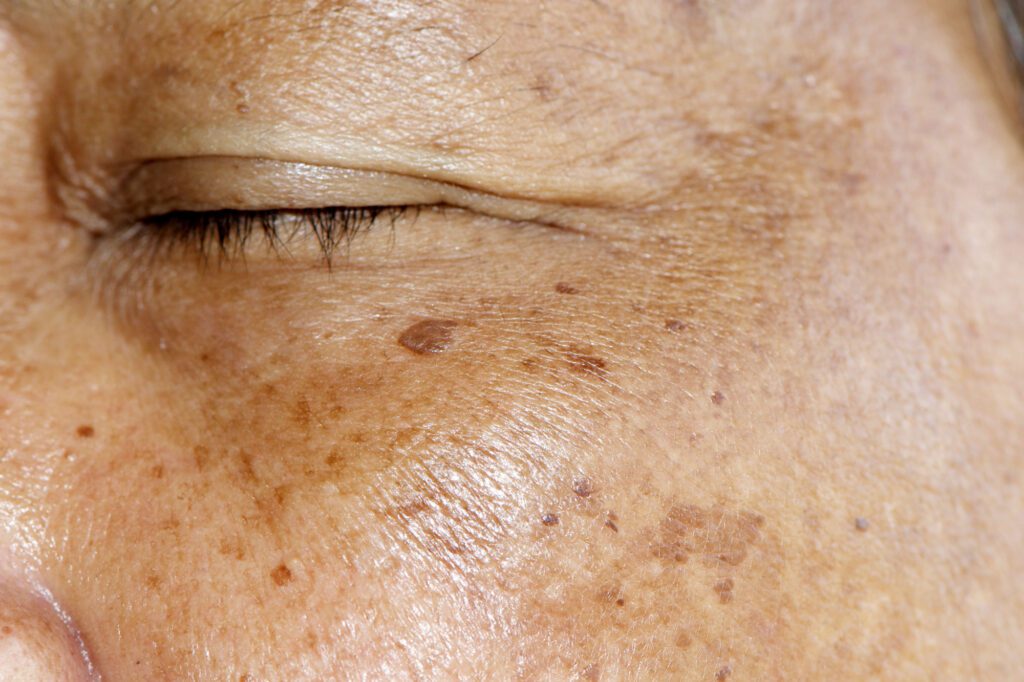

Exactly How To Eliminate Milia: Reasons And Therapy Plus, how to prevent those small white bumps from forming in the first place. Right Here at SINY Dermatology, we can identify and treat your general facial and body milia in a variety of means. A biopsy is seldom if ever before required, and our straightforward, in-office method generally offers painless, long-term/permanent, positive outcomes. Milia are generally really securely stuck below the skin and it is not suggested for patients to scratch or dig at the location in an effort at elimination. Milia can be irritating to manage, but recognizing why they show up can help you far better protect against and treat them. Whether it's restricting your sunlight exposure, using non-comedogenic products, or knowing hormonal changes, there are actions you can take to keep your skin looking its finest.
- When keratin gets entraped under the skin, small white bumps create, often in small collections.
- Milia can additionally establish if the skin loses its natural capability to scrub.
- Discover what triggers hyperhidrosis and learn more about modern-day therapies that can help keep you completely dry and comfortable.
- This kind of milia includes itchy areas that can appear on the face, upper arms, and torso.
-- Dr Sandra Lee
Below are the causes of milia and suggestions for risk-free milia treatment in your home. These tiny, pearly bumps develop when dead skin cells and keratin end up being entraped below the surface area, instead of scrubing as they should. They frequently show up around the eyes and cheeks, fragile locations where the skin is thinner, making them extra vulnerable to build-up. This should always be entrusted to a health facility specialist to stay clear of scarring, infection and a whole cluster of various other problems. To excise milia, the skin needs to be penetrated initially with a blade or needle-- given that milia are totally enclosed by skin-- prior to the difficult keratin is squeezed out with an extractor. Because milia are typically close to the surface area of the skin, chemical peels might likewise be utilized to remove them. Milia often go away on their own within a few months, but sometimes they can continue for many years.Milia: Medical Diagnosis And Therapy
While the process might take much longer in older youngsters and grownups, milia aren't thought about damaging. Milia develop when the protein keratin obtains caught under the skin. Mild exfoliation and time usually help ... and if they persist, a skin specialist can take care of them safely. Milia on the eyelids and under the eyes are commonly consistent. These ought to be eliminated by a skin doctor or an ophthalmologist. In fact, almost half of all full-term newborns have at least some facial milia. A dermatologist can de-roof the milia with a sterilized needle or scalpel-- or with a laser treatment, which, Dr. Shah says, is finished with an electrically heated needle.What disease is connected with milia?
Milia are associated with diseases that trigger subepidermal blistering, such as hereditary types of epidermolysis bullosa, epidermolysis bullosa acquisita, bullous pemphigoid, bullous lichen planus, and porphyria cutanea tarda. Multiple eruptive milia are rare and more considerable in number than key milia.
The Most Preferred Facial Sunscreens In My Dermatology Technique To Prevent Facial Sun Damage That May Cause Milia:
Milia are often benign, pain-free, asymptomatic cysts, according to Dr. Lal, so if you observe any type of inflammation or troublesome signs and symptoms, visit your dermatologist. They will assist ensure a precise diagnosis and appropriate therapy plan. Nonetheless, if the milia on your face poses a visual concern, feel free to see your dermatologist for among the expert elimination methods discussed over. And, naturally, make certain to contact your skin doctor to make sure that the bump( s) is, as a matter of fact, milia and not a much more major problem. Stick with tried and tested gentle acids like glycolic acid and salicylic acid as harsher treatments can worsen milia and result in irritability. This occlusive obstacle can catch dead skin cells and keratin that would normally flake away on their own. With no place to go, these products obtain stuck under a brand-new layer of skin, resulting in second milia.— 30 —